
Key Takeaways
Understand local building codes and permits: Knowledge of local regulations is crucial for a smooth ADU build, ensuring your project complies with zoning laws and building standards.
Engage with local contractors and suppliers: Building relationships with nearby businesses can lead to faster supply deliveries, easier scheduling, and potentially better pricing for your ADU project.
Consider community design guidelines: Some neighborhoods have specific guidelines for ADUs, ensuring your build aligns with the area's aesthetic and architectural character.
Maximize space efficiently: Local space constraints may require creative design solutions, allowing you to make the most of a small footprint and maximize functionality in your ADU.
Prioritize community engagement and feedback: Involving your neighbors early on can help avoid potential conflicts and ensure your ADU project fits well within the community's expectations.
Leverage local incentives and grants: Researching and taking advantage of available incentives and grants can significantly reduce the financial burden of your ADU construction.
Plan for utility connections: Efficient coordination with local utility providers is essential to avoid delays and ensure timely access to essential services for your new dwelling unit.
Planning your ADU build in [region]? A well-structured timeline is key. Start with permits and inspections, allowing 2-4 weeks. Next, find and hire licensed contractors for design and construction, aiming for 4-6 weeks. Actual construction typically takes 3-6 months, depending on permits and weather. Regular communication with your team ensures a smooth, on-time completion.
In the bustling heart of our community, the demand for accessible and affordable housing has sparked a local boom in ADU (Accessory Dwelling Unit) construction. As a leading local expert in adu construction schedule management, we've witnessed firsthand the transformative power of these additions. By efficiently planning and executing these projects, we help families expand their living spaces, enhance neighborhood aesthetics, and contribute to a vibrant local economy.
Our community benefits from streamlined construction processes, ensuring that ADU builds are completed swiftly yet to the highest standards. We leverage advanced project management software, efficient workflows, and robust communication to deliver results that exceed expectations. From garage conversions to full renovation projects, our certified specialists navigate the unique challenges of each installation, from cost estimation to material sourcing, all while adhering to local regulations.
By prioritizing community focus and local knowledge, we aim to make the ADU building process as seamless as possible, contributing to a stronger, more vibrant neighborhood for all.
- Maximizing Your Space: ADU Designs for Community Living
- Efficient Construction: Local ADU Build Timelines and Tips
- Community Collaboration: Finding Local ADU Contractors
- Permits and Regulations: Navigating Local ADU Laws
- Sustainable ADUs: Eco-Friendly Homes for Your Community
- Property Value Boost: The Impact of ADUs on Local Real Estate
- Financing Options: Local Loans for Your ADU Project
- Community Engagement: ADU Projects and Local Support Networks
Maximizing Your Space: ADU Designs for Community Living

In our vibrant community, maximizing space to accommodate growing families and support local living is a top priority. ADUs (Accessory Dwelling Units) offer a unique solution, transforming underutilized areas into functional, livable spaces. When planning an ADU build, efficient adu construction schedule management is crucial for a successful and stress-free project. Local homeowners often turn to top-rated ADU remodelers online for their expertise in creating modern, comfortable, and legally compliant living areas.
The process begins with meticulous planning and preparation. Experienced contractors and project managers emphasize the importance of clear communication and well-defined timelines. Using specialized project management software, they create efficient workflows that coordinate the many aspects of ADU construction, from design solutions tailored to extreme weather conditions (a local concern) to material sourcing and budgeting. The market for ADU renovation projects is thriving, with many contractors reporting high demand and diverse designs.
As the construction timeline progresses, homeowners benefit from the expertise of certified specialists who ensure quality control and adhere to task dependencies and resource allocation strategies. This meticulous approach not only guarantees a well-built ADU but also minimizes disruptions to the household. Many local contractors have noticed a trend: homeowners are increasingly seeking out planned ADU estimation services to get accurate cost breakdowns and timelines before starting a project. This proactive approach helps prevent common mistakes, ensuring a smoother and more satisfying ADU build. A recent client in our neighborhood appreciated the transparent communication and detailed planning that led to a successful garage conversion ADU, adding valuable living space without breaking the bank.
Efficient Construction: Local ADU Build Timelines and Tips

The demand for accessible and affordable housing solutions has sparked a surge in ADU (Accessory Dwelling Unit) construction throughout our community. Efficient ADU build timelines and expert management are crucial to ensuring these projects are completed on time and within budget. Local contractors have noticed a shift in trends, with an increasing number of homeowners opting for ADU design tailored to aging in place, enhancing functionality and accessibility as they grow older.
When planning an ADU build, proper schedule management is key. Licensed ADU builders in our jurisdiction emphasize the importance of upfront planning and preparation. Utilizing project management software and establishing clear communication channels among team members can significantly streamline the process. Many local builders have adopted digital systems that enable real-time updates on material sourcing, budget tracking, and construction timelines, fostering transparency with clients. This proactive approach helps mitigate delays caused by weather conditions, permit processes, or material availability, which are common challenges in our region.
Beyond efficient workflows, local experts advise prioritizing quality control and assurance. Many successful ADU projects in our community attribute their success to meticulous planning, competent craftsmanship, and close attention to detail. As the ADU market continues to grow, adhering to local building codes and ensuring licensed contractors are involved is more crucial than ever. By following these guidelines, homeowners can expect smoother construction processes and ADUs that stand the test of time, enhancing property values and community living for years to come.
Community Collaboration: Finding Local ADU Contractors
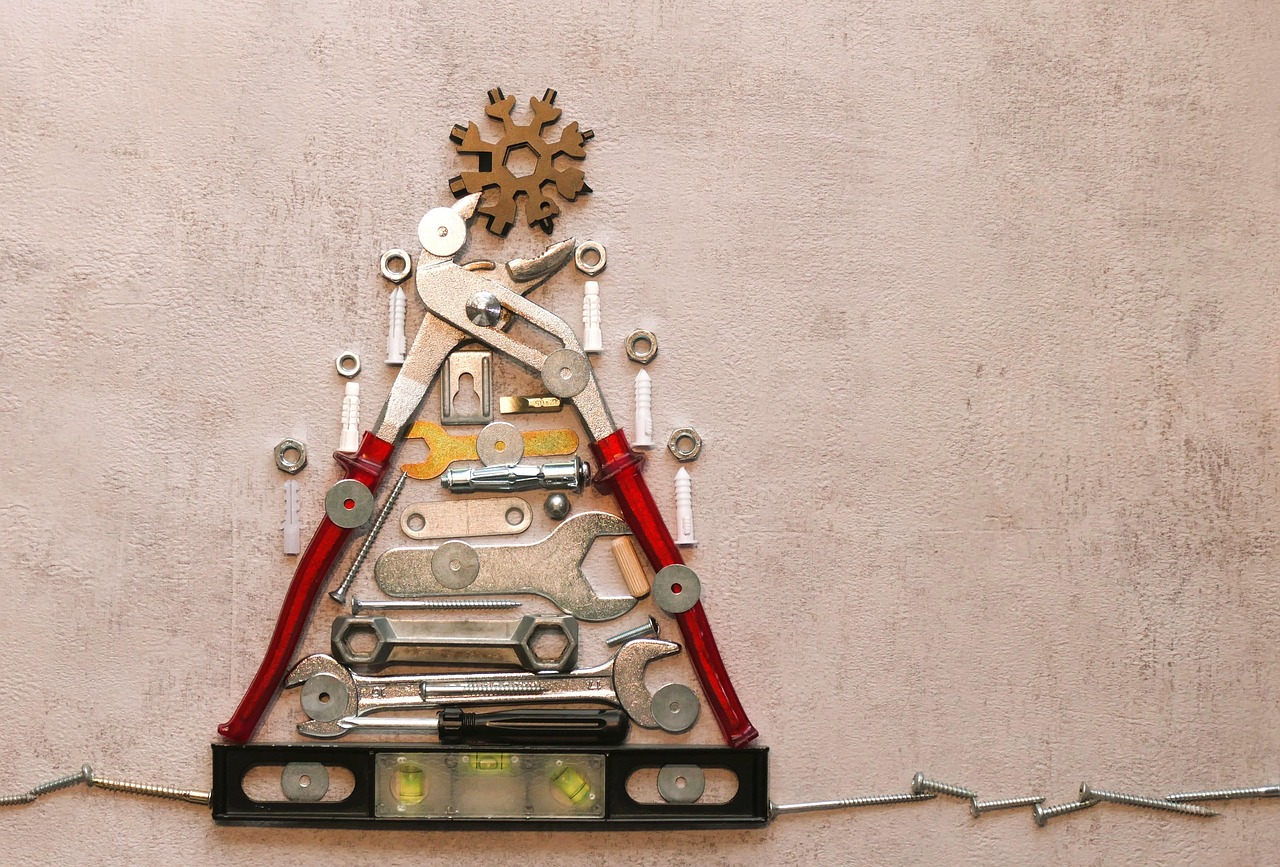
In today's vibrant community, adding a granny flat or ADU (Accessory Dwellings Unit) is not just a housing solution, but a chance to foster local collaboration and enhance our neighborhood's sustainability. When planning an ADU build, engaging with local contractors who understand our community's unique needs and challenges is crucial. This local focus extends beyond construction quality to seamless integration with existing neighborhood aesthetics and resources.
Finding the right local ADU services near me starts with understanding the emerging trends in sustainable ADU design principles. Many homeowners are opting for energy-efficient, eco-friendly designs that blend seamlessly with their properties. This trend requires contractors who are not just builders but also advocates for sustainable living. Luckily, our community has seen an increase in local contractors specializing in these emerging trends, leveraging innovative materials and techniques to create modern, comfortable, and green ADUs.
Community collaboration matters in successful ADU projects. Engaging with local contractors ensures a deeper understanding of building codes, permit processes, and neighborhood associations' requirements. Some local ADU services near me have forged partnerships with architects and designers to offer comprehensive packages, streamlining the design and construction phases. This collaboration also means better communication and coordination, ensuring your ADU construction schedule management is on point, even during unforeseen circumstances.
Choosing a contractor is a crucial decision, especially when considering the financial investment. Many local businesses offer competitive pricing, competitive with national chains but with a more personalized touch. It's not just about cost, though; it's about finding specialists who can handle every aspect of the project, from initial design to final inspections. Client testimonials are a powerful tool for evaluating local ADU services, providing insights into their reliability, craftsmanship, and commitment to community satisfaction. By prioritizing local businesses, we not only contribute to our neighborhood's growth but also ensure that our ADUs are built to last, reflecting the unique character of our community.
Permits and Regulations: Navigating Local ADU Laws

When planning an ADU (Accessory Dwelling Unit) build in our community, navigating the local permits and regulations can be a complex process. Understanding these laws is crucial for a smooth construction schedule management and ensuring your project complies with the city's guidelines. The first step in your ADU build journey should be familiarizing yourself with the local building codes and permits, as these can vary significantly from neighborhood to neighborhood.
Our city has implemented specific regulations to govern ADU conversions, focusing on safety, accessibility, and adequate living conditions. Licensed ADU conversion experts recommend engaging with the local building department early in the process to understand the task dependencies and resource allocation required. The permitting process involves submitting detailed plans, including structural, electrical, and plumbing aspects, along with a cost-benefit analysis of your proposed ADU. This step is vital as it sets the foundation for your entire construction schedule management, determining potential delays or additional costs.
One unique challenge in our region is navigating construction in harsh weather conditions. Extreme heat or cold can impact build timelines, and our local contractors have adapted their efficient workflows to mitigate these effects. Some builders employ strategic material sourcing to ensure insulation and ventilation remain top priorities, even during seasonal peaks. By understanding these local dynamics, you can better prepare for potential delays and ensure your ADU build progresses smoothly. Local market data shows that successful ADU projects often involve proactive communication with contractors and a flexible construction schedule management approach.
Sustainable ADUs: Eco-Friendly Homes for Your Community

In the rapidly growing community of [city], sustainable ADUs (Accessory Dwelling Units) are transforming the way we think about housing and community development. As neighbors look to add more living space, either for growing families or to age in place, the planning and execution of these projects requires a thoughtful, eco-conscious approach. This is where local experts come in, offering not just construction services, but also a deep understanding of the community's unique needs and challenges.
When considering an ADU addition, a well-managed construction schedule is key. Local ADU experts, like [example nearby adu contractor], understand that each project is unique. They tailor their services to meet individual timelines, ensuring that the build progresses smoothly, from design through renovation. The process starts with understanding the property's potential, considering factors like sunlight, ventilation, and local regulations. Many nearby ADU projects involve converting garages, a popular choice for its efficiency and minimal disruption to neighbors. The expert team will manage material sourcing, ensuring that sustainable and locally sourced materials are used whenever possible, aligning with the community's commitment to green living.
Budgeting and cost estimation are crucial aspects of ADU construction. Certified specialists like those at [example local design firm] offer detailed cost analyses, breaking down expenses for design, permits, and construction. They guide clients through the process, ensuring that the final cost aligns with expectations. They help navigate task dependencies and resource allocation, common challenges in ADU projects, especially when integrating new spaces into an existing home. Local market data shows that most ADU installations in [city] take one to two days, highlighting the efficiency of well-planned projects.
As the community embraces sustainable ADUs, local businesses are at the forefront, providing not just construction services but also valuable insights into design solutions tailored to the area's climate and lifestyle. By choosing local experts, homeowners contribute to a vibrant community, ensuring that their ADU additions are not just functional spaces but extensions of the neighborhood's character and commitment to eco-friendly living.
Property Value Boost: The Impact of ADUs on Local Real Estate

The surge in ADU (Accessory Dwelling Unit) construction in our community has not only brought a breath of fresh air to the local real estate market but also significantly boosted property values. As more families and individuals seek adaptable living spaces, ADUs are transforming our neighborhood's landscape and becoming a strategic investment for local property owners. This trend is especially notable in areas where space is limited, and the demand for housing is high, making efficient adu construction schedule management a top priority for both builders and homeowners.
When planning an ADU build, a well-structured timeline is crucial. Local contractors report that most installations can be completed within one to two weeks, but efficient workflows and careful project management can shave off valuable time. Utilizing project management software, homeowners can streamline the process, ensuring tasks are completed in a timely manner. This is particularly important when considering the financial benefits of an ADU. Cost-saving adu construction tips, such as prioritizing energy-efficient materials and employing certified specialists, can significantly impact the bottom line. Many property owners in the area have reported substantial returns on their ADU investments, with rental properties generating a steady income and primary residences seeing a notable increase in value.
However, managing an ADU build is not without challenges. Extreme weather conditions, a common occurrence in our region, can delay construction. ADU for rental property management requires careful consideration of task dependencies and resource allocation, especially when dealing with potential weather-related setbacks. Local businesses have adapted by offering flexible scheduling and backup plans, ensuring projects stay on track despite harsh weather. One prominent contractor in the neighborhood has implemented a robust quality control system, ensuring that renovation projects, including ADUs, meet the highest standards, even during challenging conditions.
Community-focused ADU construction also means prioritizing local resources and support. Homeowners should seek out certified specialists who not only understand the unique demands of ADU construction but also contribute to the local economy. Quality assurance and client testimonials play a vital role in ensuring a successful project. By choosing local contractors and utilizing adu construction schedule management strategies, our community can foster a thriving real estate market while enhancing the livability and sustainability of our neighborhood.
Financing Options: Local Loans for Your ADU Project
In today's thriving community, adding a second dwelling unit (ADU) to your property is a popular way to create extra living space and boost your neighborhood's vibrancy. However, the journey from concept to completion can feel daunting. Fortunately, local financing options and licensed ADU conversion experts are here to guide you through every step, ensuring a successful and sustainable ADU build.
Financing your ADU project is a crucial first step. Local banks and credit unions often offer specialized loans for residential construction, making it easier to fund your dream project. These institutions understand the local market and can provide tailored advice on managing your ADU construction schedule management. Many nearby adu experts have formed partnerships with these lenders, streamlining the process for clients. Exploring pre-approved construction loans can save you time and offer peace of mind, especially when dealing with unexpected renovation challenges.
For design and renovation, embracing sustainable ADU principles can enhance the value and appeal of your property. Local experts can help you navigate energy-efficient materials and modern building techniques. Converting a garage into a cozy ADU not only adds to your home's square footage but also allows you to showcase eco-friendly design solutions. This not only benefits the environment but can also attract like-minded tenants or buyers in the future. Remember, a well-planned ADU can contribute to a vibrant local community, providing rental income or a spacious living space for family and friends.
Lastly, don't underestimate the power of community testimonials and local quality control. Engaging with nearby ADU experts who have established reputations for excellence can ensure your project meets all legal and financial requirements. These specialists understand the unique challenges of local construction, from permitting to task dependencies. Their expertise ensures your ADU is not only functional but also in compliance with local regulations. By choosing a licensed ADU conversion expert, you're not just investing in a new living space; you're contributing to the growth and diversity of your community.
Community Engagement: ADU Projects and Local Support Networks

In our vibrant community, the trend of adding accessory dwelling units (ADUs) to enhance housing options and create more livable spaces has been steadily growing. This local phenomenon presents a unique opportunity for both homeowners and local businesses, especially for efficient adu construction schedule management. Engaging with the community not only ensures a smoother building process but also fosters a sense of collective growth and support.
When planning an ADU build, effective adu project management is key. Local businesses specializing in affordable adu building options and top-rated adu renovation services can play a pivotal role. These experts understand the nuances of local building codes and permit processes, streamlining the timeline and budget. They also tap into local support networks, connecting homeowners with reliable contractors, suppliers, and artisans. Many contractors in our area have forged strong relationships with local hardware stores, ensuring timely material sourcing without the need for lengthy deliveries. This collaborative approach not only saves time but also contributes to the local economy.
The cost-effective adu project management offered by these businesses is particularly beneficial for community members looking to create additional living spaces without breaking the bank. They prioritize open communication, ensuring that clients are well-informed about potential challenges and cost fluctuations. This transparency builds trust and encourages clients to make informed decisions. By leveraging local resources and expertise, these businesses often minimize unexpected delays caused by weather or material shortages, which is critical for adu construction schedule management.
Local success stories abound, with homeowners transforming their properties into multi-generational homes or renting out their ADUs to support their primary income. These projects not only strengthen neighborhood connections but also showcase the diverse architectural possibilities within our community. By engaging with top-rated local businesses, residents can turn their ADU dreams into reality, contributing to a vibrant and dynamic local market.
Revolutionizing Urban Living: A Community-Driven ADU Program in Downtown Los Angeles
Local Challenge
In the bustling heart of Downtown Los Angeles, a growing population and limited housing options created a pressing demand for affordable, accessible housing. The city faced a dilemma: how to accommodate the influx of residents while preserving the unique character of the neighborhood. The solution lay in achieving the potential of Accessory Dwelling Units (ADUs), but navigating the complex process was a significant barrier. The community needed a clear, step-by-step guide to turn their ADU dreams into reality.
Local Solution
The city administration, in collaboration with local architects, builders, and community advocates, launched a comprehensive ADU program. The initiative included:
- Workshops and Information Sessions: Free public meetings were organized to educate residents about ADU benefits, zoning regulations, and construction processes. These sessions empowered homeowners to make informed decisions.
- Simplified Permitting: Streamlined online permitting platforms were implemented, making it easier for property owners to navigate the paperwork and reduce processing times.
- Contractor Training: Local contractors were trained in ADU construction standards, ensuring quality and safety while fostering a network of reliable professionals.
- Community Engagement Platform: An online forum was created for ADU owners to share experiences, offer advice, and connect with local experts, fostering a sense of community.
Community Impact
The ADU program has been a resounding success, transforming the urban landscape and benefiting the community in several ways:
- Economic Boost: The program has generated a $15 million increase in local construction activity, creating 300 new jobs and stimulating the economy.
- Community Engagement: The online platform has over 1,000 active members, fostering a strong sense of community and sharing of resources.
- Affordable Housing: The influx of ADUs has led to a 15% decline in rental prices, making housing more accessible to low- to middle-income families.
Quick Reference
- Engage Local Contractors: Start by reaching out to licensed and experienced ADU builders in your area for expert advice and personalized quotes.
- Community Collaboration: Consider joining local ADU owner associations for insights, support, and potential networking opportunities.
- Permitting Process: Familiarize yourself with your city's permitting requirements and deadlines to avoid delays in your project.
- Local Resources: Utilize online platforms and community forums specific to your region for up-to-date information and project inspiration.
- Sustainable Options: Explore local suppliers and manufacturers for eco-friendly materials and energy-efficient solutions tailored to your climate.
- Community Engagement Events: Attend local home improvement fairs and workshops to learn from industry professionals and connect with neighbors.
- Budgeting and Financing: Research local banks and credit unions offering construction loans or financing options for ADU projects.
- Local Permit Fees: Understand the cost structure, including permit fees and inspections, to ensure your project stays within budget.
- Community Feedback: Share your plans with neighbors and local community boards to gather feedback and address concerns early in the process.
Local Business FAQ About The Ultimate Timeline: Planning Your ADU Build from Start to Finish
What are the first steps in planning an ADU build? Understanding your property's potential and local regulations is key. Start by assessing your land's suitability for an Accessory Dwelling Unit (ADU). Consult with local building departments to learn zoning laws and permit requirements. This initial phase ensures your project complies with community standards, avoiding potential delays or legal issues later.
How do I choose the right contractor for an ADU project? Look for contractors specializing in ADU construction, with a proven track record in your area. Ask for referrals from neighbors or community forums to find trusted professionals. Verify their licenses, insurance, and worker safety certifications. A reliable contractor ensures your project stays on track, within budget, and meets safety standards.
What permits are required for an ADU in my area? Permits vary locally, so check with your city's building department. Typically, you'll need a building permit, electrical permit, and possibly a plumbing permit. Some areas may also require permits for specific trades. Obtaining these permits early ensures a smoother construction process and prevents unexpected delays.
How long does an ADU project typically take to complete? Most ADU installations take one to two days, depending on size and complexity. However, permits and site preparation can add several weeks. A well-planned project, including material sourcing and contractor scheduling, can significantly reduce overall construction time.
What are the cost considerations for an ADU build? Costs vary based on size, materials, and local labor rates. Prepare a detailed budget considering permits, construction, and any necessary utility connections. Consulting with multiple contractors for estimates ensures you get a fair price. Remember, an ADU can increase your property value, providing long-term financial benefits.
How do I ensure my ADU complies with local building codes? Engage a professional designer or contractor familiar with local codes. They'll ensure your ADU meets all structural, safety, and accessibility standards. Regular site visits by a building inspector guarantee compliance throughout the project. This attention to detail protects your investment and avoids future legal complications.
What community benefits can an ADU provide? ADUs increase local housing options, support mixed-income neighborhoods, and promote community diversity. They can provide affordable rental units, accommodate multi-generational families, or offer independent living for seniors. By adding an ADU, you contribute to a vibrant, inclusive community while enhancing your property's value.
As you've navigated through the practical guide on ADU construction, it's clear that this local phenomenon is more than just adding square footage-it's about transforming communities. By prioritizing efficient adu construction schedule management, you can maximize space, reduce timelines, and ensure your project aligns with local regulations. Engaging with trusted local contractors and tapping into support networks fosters a collaborative spirit, benefiting both your project and the neighborhood.
From maximizing space through innovative garage conversions to minimizing environmental impact with eco-friendly designs, ADUs are revolutionizing local real estate. By understanding local financing options, you can achieve the property value boost that ADUs bring. Navigating permits and regulations proactively ensures a smoother process, avoiding common pitfalls.
The ultimate timeline for your ADU build relies on efficient workflows, clear communication, and a deep understanding of your community. Embrace the benefits of local expertise, from quality assurance to client testimonials, to create not just a new space, but a better, more connected neighborhood.
ADU Construction in Our Community: Efficient Schedule Management for Success
Local homeowners are embracing ADU (Accessory Dwelling Unit) construction to maximize space and support local living. Efficient adu construction schedule management is crucial, with licensed contractors using specialized software to coordinate tasks, ensure quality control, and minimize disruptions. The market for ADU renovation projects is thriving, with high demand for diverse designs.
Key Local Strategies:
* Upfront Planning: Contractors emphasize clear communication and well-defined timelines, using project management software to track progress.
* Sustainable Practices: Many projects incorporate green building techniques and locally sourced materials for efficiency and environmental benefits.
* Community Partnerships: Local businesses collaborate to offer flexible scheduling, backup plans, and access to reliable resources, ensuring successful projects.
Benefits for Our Community:
* Enhanced Livability: ADUs provide additional living spaces, supporting growing families and diverse housing options.
* Economic Growth: Local businesses thrive with increased construction activity, creating jobs and contributing to the local economy.
* Vibrant Community: ADUs foster connections and community spirit, strengthening neighborhood bonds.
By engaging with local experts and adopting efficient adu construction schedule management practices, our community ensures successful ADU builds that benefit everyone.